
Provides Opportunities to Make Positive Connections with Influential Others
Description: An effective curriculum links students to influential persons who affirm and reinforce health-promoting norms, attitudes, values, beliefs, and behaviors. Instructional strategies build on protective factors that promote healthy behaviors and enable students to avoid or reduce health risk behaviors by engaging peers, parents, families, and other positive adult role models in student learning. Teachers should not assume that all parents, guardians, or caregivers are positive influences and that every student has a positive influential person in their life. Therefore, it is important to help connect students with positive, influential adults in the school and the community.1

Example 1
For this teaching example, the unit is Sexual Health, and the HBOs for two lessons in this unit are SH-1: Recognize developmental changes experienced by self and others during childhood and adolescence and SH-10: Use appropriate health services to promote sexual and reproductive health (HECAT Appendix 3).

- The focus for this activity is to connect students with the school nurse as a trusted school-based health helper for help with changes they are experiencing or will experience during puberty.
- The teacher and the school nurse team collaboratively plan and teach two lessons focused on the following HECAT knowledge expectations:
- Describe the physical, cognitive, emotional, and social changes that occur during puberty.
- Explain how puberty and development can vary greatly and be normal.
- Describe internal and external reproductive body parts using medically accurate terms in a gender-neutral way (e.g., some people have a penis, and some people have a vagina) (https://www.cdc.gov/healthyyouth/hecat/pdf/2021/hecat_module_sh.pdf).
- At the end of the second lesson, the school nurse discusses ways in which they can support students related to the physical, cognitive, emotional, and social changes that the students may be experiencing or will experience during puberty. The students are encouraged to seek help from the classroom teacher or the school nurse if they have questions, concerns, or need support as they experience puberty-related changes.
- At the end of the second lesson, students are asked to write down three things they learned that will help them progress through puberty in a healthy way.
Example 2
For this teaching example, the unit being taught is Violence Prevention, and the HBO for the lesson is V-1: Manage interpersonal conflict in nonviolent ways (HECAT Appendix 3).
- The students have already learned about feelings, expressing feelings in a healthy way, seeking help for troublesome feelings, and establishing and maintaining healthy relationships.
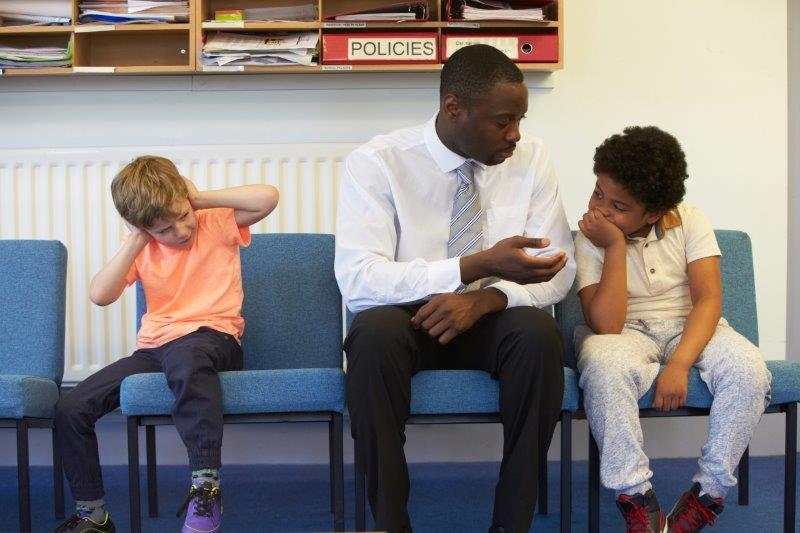
- The health teacher invites the school counselor, psychologist, or social worker to teach a lesson to the students about managing interpersonal conflict in healthy ways.
- Students are encouraged to seek help from the school counselor, psychologist, or social worker if they or someone they know needs help in managing conflicts with others.
- As an exit ticket, students are asked to write down how they would find help to manage a conflict they were having with a classmate.
To view in PDF format, please click here.