
Focuses on Reinforcing Protective Factors and Increasing Perceptions of Personal Risk and Harmfulness of Engaging in Specific Unhealthy Practices and Behaviors
Description: This characteristic provides opportunities for students to examine current protective factors in their lives and think about ways to increase the modifiable protective factors. Protective factors are assets (internal to individuals) and resources (external to individuals) that counteract, reduce, or eliminate the adverse effects of risk factors.1 Protective factors can be fixed, meaning they don’t change over time — for example, not being genetically predisposed to addiction. Protective factors can also be modifiable, meaning they can be changed over time. Examples of modifiable protective factors include having a strong social support system (i.e., family, peers), being successful in school academically, feeling connected to classmates and teachers, and participating in community engagement. Effective health education curricula focus on strengthening and reinforcing modifiable protective factors related to the topic being taught.
An effective curriculum also provides instructional strategies for students to assess their vulnerability to health problems, determine their actual risk of engaging in harmful health behaviors, and evaluate their exposure to unhealthy situations.
Example 1
The lesson that is being taught is avoiding experimenting with or using tobacco and alcohol. The HBOs for the lesson are T-1: Avoid using (or experimenting with) any form of tobacco and AOD-3: Avoid the use of alcohol (HECAT Appendix 3).
- The focus of this activity is on the role of family rules as the protective factor for not using or experimenting with tobacco and alcohol.
- Prior to this lesson, the students have learned about the risks associated with using tobacco and alcohol, the benefits of not using tobacco and alcohol, and the dangers of experimenting with tobacco and alcohol.
- The teacher begins the lesson by writing the word “protect” on the whiteboard and asks the students to write down how they would define the word “protect.” The teacher and students discuss their definitions of the word “protect.”
- The teacher explains:
- There are many things that families, schools, and communities can do to help to protect children from using or experimenting with tobacco and alcohol. (See https://youth.gov/youth-topics/risk-and-protective-factors.)
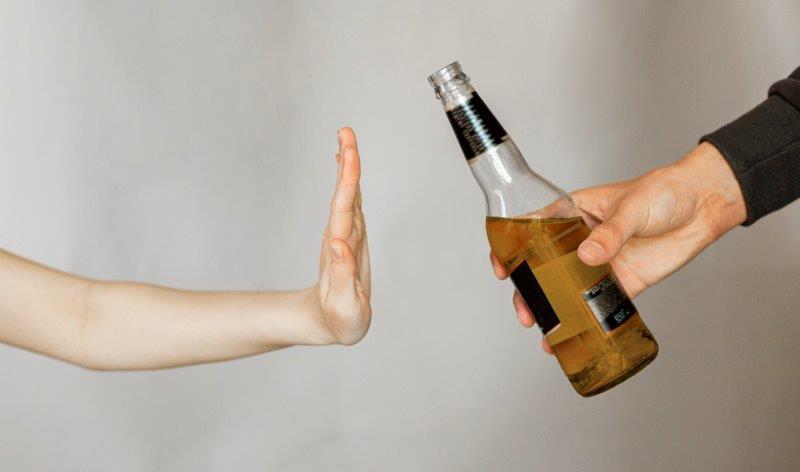
- For example, when tobacco and alcohol rules are created in the family and school, they help build a wall of protection for children from tobacco and alcohol.
- There are many things that families, schools, and communities can do to help to protect children from using or experimenting with tobacco and alcohol. (See https://youth.gov/youth-topics/risk-and-protective-factors.)
- The teacher divides the students into small groups to develop a list of rules that they think families should have to help build a wall of protection for them to avoid the use of tobacco and alcohol. The teacher then has each group write its rules on a large sheet of paper and then posts the rules on the wall. Next, the teacher leads a discussion in which they compare the lists of family rules related to avoiding tobacco and alcohol use.
- The teacher concludes the activity by having the students complete an exit ticket explaining how family and school rules protect them from using tobacco and alcohol.
- The teacher distributes a questionnaire survey for students to complete with their parents, caregivers, or guardians. This take-home activity encourages discussion between students and their family members about avoiding the use of tobacco and alcohol. Sample questions could include the following:
- What are our family rules related to the use of tobacco?
- What are the consequences of not following our family rules related to the use of tobacco?
- What are our family rules related to the use of alcohol?
- What are the consequences of not following family rules related to the use of alcohol?
Note: Include a space for a parent, caregiver, or guardian signature confirming that they and their child discussed family rules about tobacco and alcohol use. This signature will help make sure that the students discussed the questions with their parent, caregiver, or guardian. It is not meant to judge the family rules about tobacco and alcohol use.
Note: If a school has a student population where teachers think most families would have family rules that would encourage tobacco and alcohol use (e.g., if you have a drink, ask me to join you), this take-home activity would not be appropriate to assign. Instead, teachers might ask students to create a list of family rules that would help them stay tobacco and alcohol free.
Example 2
The unit that is being taught is Mental and Emotional Health, and the HBO for the lesson is MEH-4: Prevent and manage emotional stress and anxiety in healthy ways (HECAT Appendix 3).
- This activity focuses on helping students identify the risks associated with not managing stress in healthy ways. The students have already learned about healthy and unhealthy ways to manage stress as well as the benefits of managing stress in healthy ways.
- The focus of this activity is on the risks of not using healthy ways to manage stress.
- The teacher begins the activity by asking the students to complete a journal entry in which they identify at least one risk or negative outcome associated with using unhealthy ways to manage stress.
- The teacher posts four pieces of chart paper in the room, and labels them as follows: physical health risks, emotional health risks, social health risks, and thinking/learning health risks.
- Students are divided into four equal groups and assigned to one of the chart paper stations. Each group is given a different color marker.
- Each group will have 2 minutes to brainstorm and write the negative consequences or risks of managing stress in unhealthy ways for their assigned category.

- For example, negative consequences or risks under the physical category might include sleeplessness or loss of appetite.
- After 2 minutes, students rotate to the piece of chart paper to their right. They read the items on the list and add to it. After 2 minutes, the students rotate to the next piece of chart paper and add to that list. They continue this process until they are back to their original piece of chart paper.
- Students then review the list on their original piece of chart paper and circle the five risks or negative consequences that would most likely convince a teen to practice healthy ways to manage stress.
- Each group reports its answers to the entire class. The teacher and the students discuss the students’ responses for each poster. The teacher emphasizes the physical, emotional, social, and learning risks associated with not using healthy ways to manage stress.
- The teacher concludes the activity by asking students to identify at least two ways to avoid risks associated with managing stress in unhealthy ways.
To see in PDF format, please click here.