

Provides Opportunities to Reinforce Skills and Positive Health Behaviors
Description: An effective curriculum builds on previously learned concepts and skills and provides opportunities to reinforce health-promoting skills across health topics and grade levels. This can be accomplished in multiple ways:
1. By incorporating more than one skill practice application at multiple grade levels (e.g., teaching goal setting at the 2nd, 4th, 6th, 8th, and 10th grade)
2. By integrating skill application opportunities in multiple health content areas (e.g., practicing decision-making skills in an alcohol- and other drug-use prevention unit and in a violence prevention unit)
3. By reinforcing health skills in other academic areas (e.g., teaching a health lesson on how to access valid and reliable health information, then having the librarian reinforce the lesson)
An effective health education curriculum that addresses age- and developmental appropriate determinants of behavior across grade levels, and reinforces and builds on learning, is more likely to achieve longer lasting results.1

Example 1
For this example, the focus is reinforcing students’ development of advocacy skills in two different lessons at the same grade level. The lessons that are being taught include advocating for healthy snacking and advocating for daily physical activity. The HBOs for these lessons are FN-12: Support healthy eating patterns for others and PA-7: Support others to be physically active (HECAT Appendix 3).
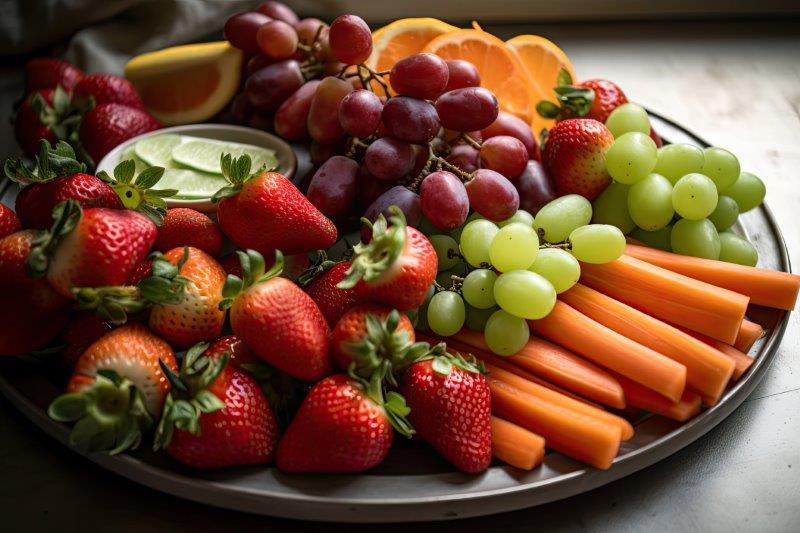
1. The focus for this example is on advocacy skills. At the beginning of the school year, the students learn how to advocate for healthy eating as part of a lesson focused on healthy snacking. Prior to this lesson, the students learned functional health information about healthy snack options and the benefits of choosing a health-enhancing snack.
2. Students develop advocacy skills by applying a three-step process (giving factual information about the behavior, stating personal beliefs about the behavior to improve the health of others, and persuading others to engage in the healthy behavior) to create public service announcements to advocate for healthy snacking.
3. A week later, the students learn about guidelines for physical activity for children and the benefits of physical activity. The students’ advocacy skills are reinforced when they apply the same three-step process (giving factual information about the behavior, stating personal beliefs about the behavior to improve the health of others, and persuading others to engage in the healthy behavior) to create skits to advocate for physical activity.
Example 2
For this example, the focus is reinforcing students’ development of goal-setting skills in two different lessons at the same grade level by two different teachers. The lesson that is being taught by the classroom teacher is setting goals to drink more water. The HBOs for the lesson are PA-4: Drink plenty of water before, during, and after physical activity and FN-6: Drink lots of water. The lesson that is being taught by the physical education teacher is setting goals for daily physical activity. The HBO for this lesson is PA-5: Follow a physical activity plan for healthy growth and development (HECAT Appendix 3).
1. The focus of this example is on setting goals related to drinking water and physical activity. Prior to setting goals for drinking water, students learn functional health information related to water consumption, including the fact that they should drink eight cups of water every day as well as the importance of drinking water before, during, and after physical activity.
2. Students are taught the three-step process for goal setting (set a realistic personal health goal, identify resources that can help them achieve the personal health goal, and track progress toward the personal health goal).
3. The students are asked to set a goal related to drinking eight cups of water a day, identify resources that can help them achieve goals, and track their progress for 2 weeks.
4. A few weeks later, the physical education teacher includes a lesson on the functional health knowledge related to the amount and types of physical activity students should have on a weekly basis.
5. The physical education teacher also reviews the three-step process for goal setting with the students.
Students are asked to set a physical activity goal, identify resources to help them achieve goals, and track their progress toward their goals for 2 weeks.
To view in PDF format, please click here.