
Incorporates Learning Strategies, Teaching Methods, and Materials That Are Culturally Responsive and Inclusive
Description: Effective curricula have materials that are free of culturally biased, oppressive, and discriminatory information, scenarios, examples, images, graphics, and audiovisuals.
All curricula contents (e.g., information, student-learning activities, and assessments) depict and are inclusive of diverse student demographics, identities, cultures, health behaviors, and lived experiences. This includes but is not limited to the variety of sexes, gender identities and expressions, races, ethnicities, classes, religions, ages, geographic regions, physical and mental abilities, appearances, sexual identities and orientations, and family or caregiving structures identified and experienced by students. Strategies that promote values, attitudes, and behaviors that acknowledge and affirm the cultural diversity of each student; optimize relevance to students from multiple cultures in the school community; strengthen students’ skills necessary to engage in intercultural interactions; and build on the cultural assets and resources of families and communities are necessary in health education curricula and instruction.1
According to the Centers for Disease Control and Prevention’s Health Education Curriculum Analysis Tool (HECAT), characteristics of culturally responsive and inclusive health education curricula should include the following elements:2
- Health content and skills tailored to specific student demographics (e.g., race, ethnicity, sex, age, and grade), identities, health behaviors, and lived experiences
- Consistent incorporation of diverse identities, cultures, narratives, and beliefs throughout curriculum lessons, activities, and assessments
- Consideration of the social determinants of individual and community health from diverse social, cultural, political, and historical contexts across health topic areas
- Opportunities for students to think critically about individual (e.g., implicit bias) and systemic (e.g., institutionalized racism) factors that perpetuate health disparities and serve as barriers to health equity
- Incorporated strategies to help students navigate or combat stressors (e.g., discrimination, harassment, or stereotypes) and systems of oppression that negatively impact health3
- Data, scenarios, and examples that communicate a positive framing of health and human development and that represent people of diverse races, ethnicities, classes, sexes, genders, abilities, and sexual orientations through strengths, achievements, and assets rather than perceived deficits
Example 1
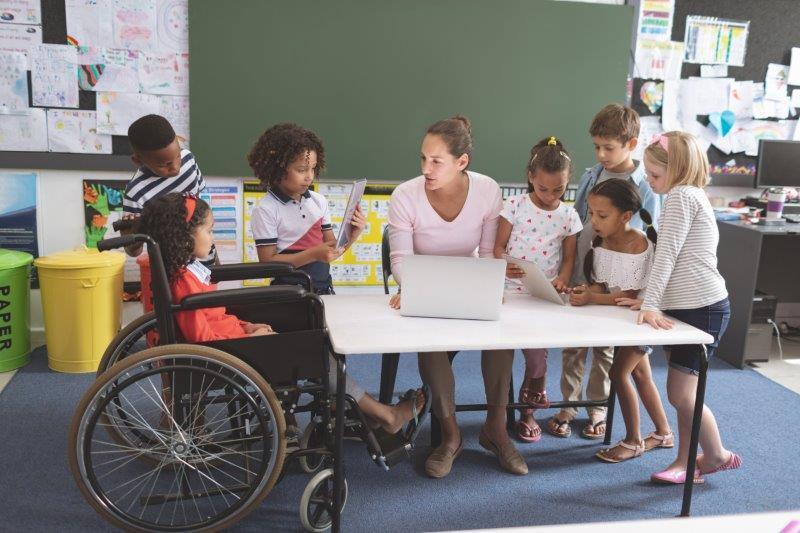
The health education teacher strives to make the classroom safe, welcoming, and culturally inclusive for each student. The student population is diverse, including differences in sex, age, ethnicity, race, ability, languages spoken, gender identities, sexual orientations, and family structures.
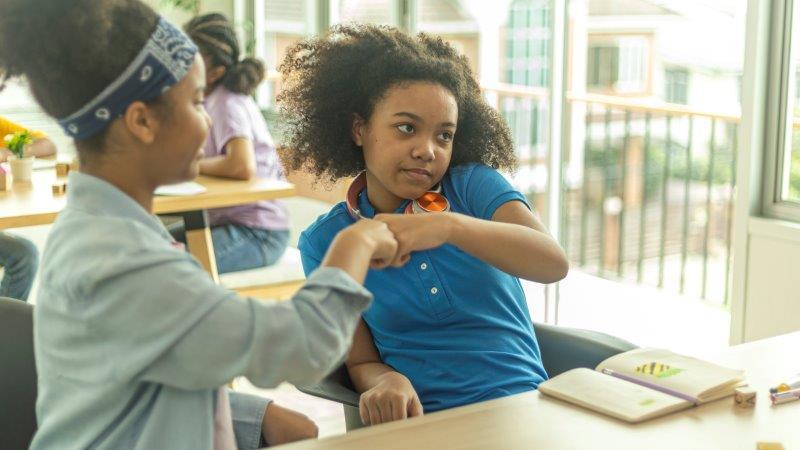
Educators should recognize that the physical setup of the classroom and the instructional materials teachers use must reflect the identities and lived experiences of the students.
Classroom environments should include strategies to promote cultural responsiveness, inclusion, and accessibility so that students feel safe, welcome, and as if they belong. These strategies include the following actions:
- Displaying posters and health messages that reflect the student population (i.e., race, ethnicity, identity, orientation, and family)
- Including informational health brochures and reading materials in multiple languages
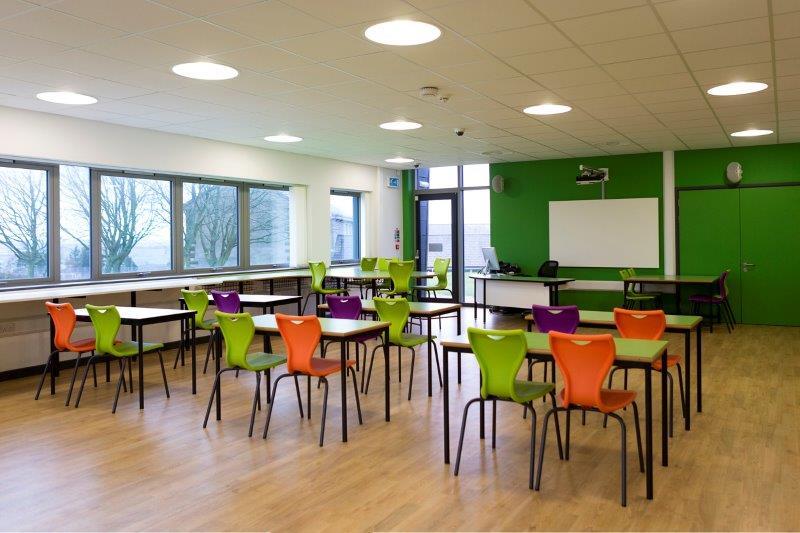
- Arranging the desks in various formations throughout the year, including small groups (groups of two to four) and semicircles to promote group work and encourage interpersonal communication and discussions on health- promoting behaviors
- Utilizing diverse educational materials such as articles, books, and YouTube clips reflecting family structures (e.g., single parent, two parent, same-sex parents, biracial, guardian, adopted, and foster)
- Staying informed of school and local community events, factual and trusted information sources, and current events that may affect the health and well-being of the students, families, school, and community
The health education teacher regularly discusses health-related current events or news and school and community resources tailored for all student groups. In addition, the teacher encourages students to share resources and materials relating to the specific health content and skills being taught.
Example 2
For this teaching example, the units being taught are Mental and Emotional Health and Sexual Health, and the HBOs for the lesson are MEH-3: Show acceptance of difference in others and SH-3: Treat all people with dignity and respect with regard to their gender identity and sexual orientation (HECAT Appendix 3).
The 8th grade students in the Gay Straight Alliance (GSA) approach the physical education teacher (who teaches health education) and request that the teacher include specific information for students who identify as LGBTQ+. The teacher just completed a unit on healthy and unhealthy relationships where students learned how to identify strategies to resolve conflict and effectively communicate feelings between partners. During this unit, the only couples discussed were male-female dating partners. The students are upset and feel that health education unit wasn’t relevant and that their needs were ignored in class.
As a result, in collaboration with a GSA advisor, the students researched various sexual health education curricula and found that for a curriculum to be effective, it must be skill based, culturally inclusive, and affordable while aligning with standards. During their search, only one curriculum met all the required criteria. Anticipating a pushback from the physical education teacher, the students listed several reasons why it is important to include specific information for students who identify as LGBTQ+:
- It promotes an understanding of gender identity and sexual orientation.
- It promotes respect and credibility for all students.
- It promotes a safe and welcoming classroom environment.
- It protects students from pregnancy and disease.
- It provides a nurturing environment for students who might otherwise feel ostracized and may not have another place to seek accurate information.
Upon hearing the student’s concerns, the physical education teacher realizes the instructional materials used in the health education unit were not inclusive for students who identify as LGBTQ+. The physical education teacher agrees to adopt several lessons from the identified sexual health education curriculum. Incorporating relevant sexual health content and skills for students is a necessary step to ensure health education programs are culturally responsive and inclusive for all students, including those who identify as LGBTQ+.
To see in PDF format, please click here.