
Addresses Social Pressures and Influences
Description: An effective curriculum provides opportunities for students to analyze personal and social pressures to engage in risky behaviors.1 These pressures include media influences, peer pressure, and social and structural barriers. Pressure from media sources may include television commercials encouraging alcohol and drug use, social media content exposing and perpetuating messages about “idealized” body types, or bullying and harassment. Peer pressure to engage in risky health behaviors may include friends or peers pressuring one another to vape or use marijuana, have unprotected sex, or bully others. Social and structural barriers that increase the likelihood of adolescents engaging in or experiencing risky behaviors include poverty, racism, financial and gender inequality, lack of access to health services, stigma related to HIV and other sexually transmitted infections, and homophobic and transphobic viewpoints. This characteristic is aligned with National Health Education Standard 2: Students will analyze the influence of family, peers, culture, media, technology, and other factors on health behaviors.2
Example 1
For this example, the unit that is being taught is Violence Prevention, and the HBO for the lesson is VP-3: Avoid bullying or being a bystander to bullying, or being a victim of bullying (HECAT Appendix 3).
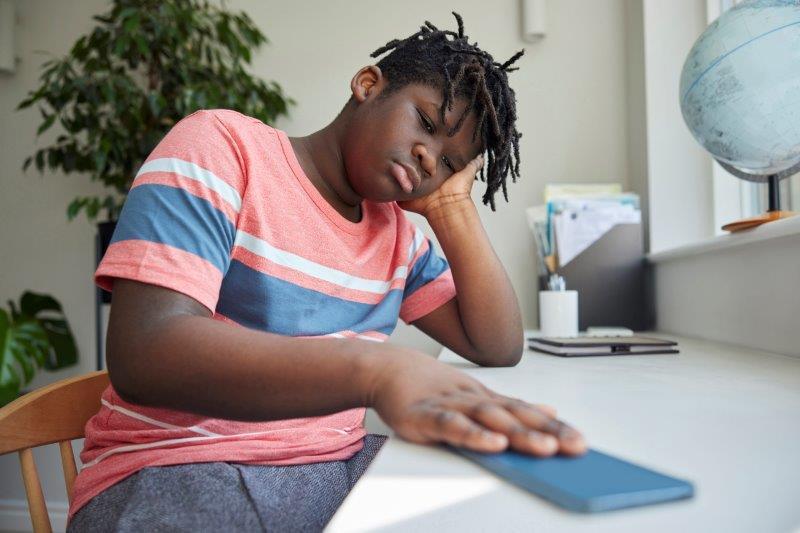
- The focus of this lesson is on identifying influences in students’ lives such as peers, social media, teachers, family, and trusted adults that affect bullying or the prevention of bullying.
- The students have previously learned about how stigma, bias, and prejudice can lead to discrimination and violence; why it is wrong to tease others based on personal characteristics; and the role of bystanders in escalating, preventing, or stopping bullying, fighting, and violence.
- Students are divided into groups of three and provided with scenarios that reflect various forms of bullying. Students are asked to read the scenarios and respond to the following prompts:
- Identify the bully, victim, bystanders (both who were silent and who spoke up), and adult.
- What type of bullying did they experience (e.g., teasing, taunting, cyberbullying, spreading rumors, cliques)?
- How do you think the victim, bystander, defender, and adult felt (e.g., intimidated, sad, depressed)?
- What is the difference between a negative and positive influence? (A negative influence contributes to bullying, and a positive influence helps to prevent or intervene.)
- What were the negative and positive influences on the situation that impacted the bullying action(s) (e.g., peers, teachers, other adults, physical space)?
- What are possible solutions to address the bullying (e.g., confronting the bully, asking for help)?
- Students share the scenarios and discuss responses with the class.
- The culminating activity is for students to write a reflection on how they can be positive bystanders to prevent and intervene when someone is being bullied.
Example 2
For this example, the unit that is being taught is Personal Health and Wellness, and the HBO is PHW-2: Get the appropriate amount of sleep and rest (HECAT Appendix 3).
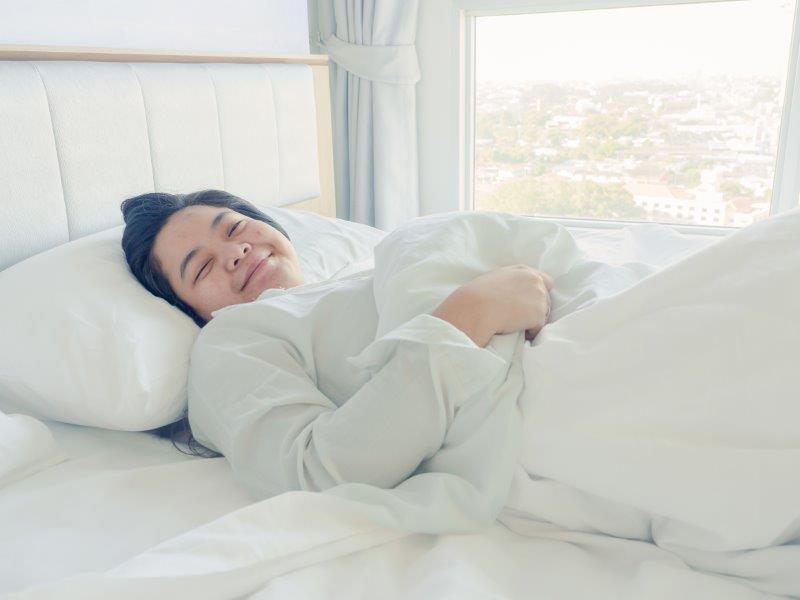
- Prior to this activity, students were taught functional health information about the benefits of getting proper rest and sleep for healthy growth and development and the positive and negative influences from peers, family, social media, and society on using health-related products and services. The focus for this activity is on analyzing the positive and negative influences that affect teens’ sleep and rest.
- Students are asked to list examples of positive influences that support getting the appropriate amount of sleep (e.g., parents’ expectations about sleep, a quiet room, fresh air, having enough to eat, a set sleep schedule, phone in a different room).
- Students are asked to list examples of negative influences on getting the appropriate amount of sleep (e.g., phones, siblings, a loud house, caffeine, a stuffy room, not having a safe place to sleep).
- Students participate in a “think-pair-share,” discussing the positive and negative influences on getting the appropriate amount of sleep. The students brainstorm strategies with their partners about how to overcome the negative influences that may disrupt getting the appropriate amount of sleep. The teacher calls on several pairs to share examples.
- Students develop a personal plan incorporating three positive influences they have control over and will use, or reinforce, to get the appropriate amount of sleep each night. In addition, students will identify three strategies they will incorporate to help reduce negative sleep influences.
To see in PDF format, please click here.