
Addresses Social Pressures and Influences
Description: An effective curriculum provides opportunities for students to analyze personal and social pressures to engage in risky behaviors.1 These pressures include media influences, peer pressure, and social and structural barriers. Pressure from media sources may include television commercials encouraging alcohol and drug use, social media content exposing and perpetuating messages about “idealized” body types, or bullying and harassment. Peer pressure to engage in risky health behaviors may include friends or peers pressuring one another to vape or use marijuana, have unprotected sex, or bully others. Social and structural barriers that increase the likelihood of adolescents engaging in or experiencing risky behaviors include poverty, racism, financial and gender inequality, lack of access to health services, stigma related to HIV and other sexually transmitted infections, and homophobic and transphobic viewpoints. This characteristic is aligned with National Health Education Standard 2: Students will analyze the influence of family, peers, culture, media, technology, and other factors on health behaviors.2
Example 1
For this example, the unit that is being taught is Food and Nutrition, and the HBO for the lesson is FN-3: Eat lots of fruits and vegetables (HECAT Appendix 3).
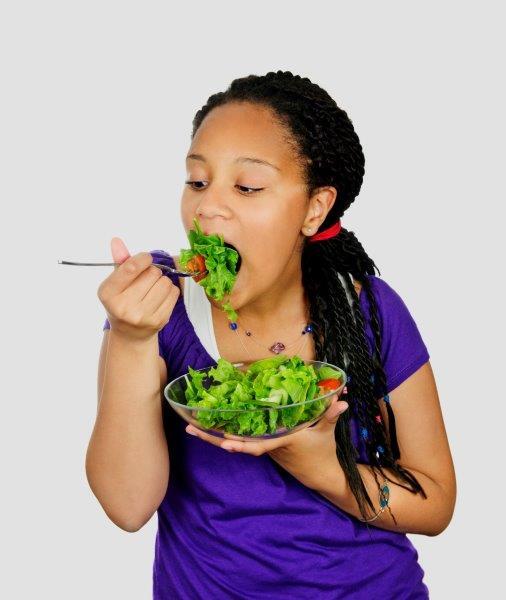
- The focus for this activity is on analyzing the influences on eating fruits and vegetables. Prior to this activity, students have been taught functional health information about the benefits of eating an abundance of fruits and vegetables every day.
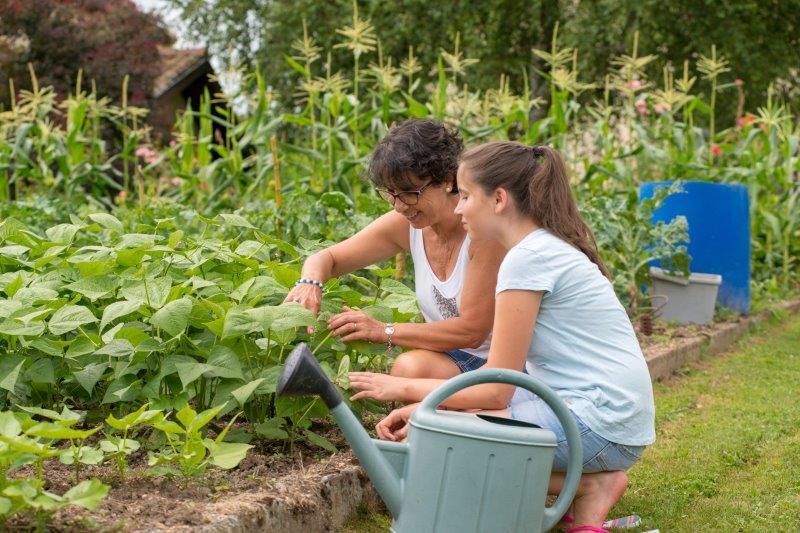
- The teacher posts five pieces of chart paper in the room and labels them as follows: peers, family, media, environment, and culture. Divide each piece of chart paper with a line down the middle and label it with a plus (+) and minus (−) sign. The teacher provides an example of a positive and negative influence on eating an abundance of fruits and vegetables every day for each category (e.g., family—positive = have a garden with vegetables, negative = no fruits or vegetables are purchased, environment—positive = live close to a fresh fruit and vegetable market, negative = there isn’t a grocery store close by that sells fresh fruits and vegetables).
- Students are divided into five equal groups and assigned to one of the chart paper stations. Each group receives a different color marker.
- Each group will have 2 minutes to brainstorm and write examples of both positive and negative influences to eat an abundance of fruits and vegetables every day.
- After 2 minutes, students rotate to the piece of chart paper to their right. They read the items on the list and add to it or write a question mark next to any ideas they don’t understand. After another 2 minutes, the students rotate again to the next piece of chart paper and add to that list. They continue this process until students are back to their original piece of chart paper.
- Students then review the list on the original piece of chart paper and choose a reporter to report the positive and negative influences on their list. As an exit ticket, students are asked to identify a negative influence that they could change and explain how they could change that negative influence.
Example 2
For this example, the unit that is being taught is Safety, and the HBO for the lesson is S-2: Avoid driving a motor vehicle—or riding in a motor vehicle driven by someone—while under the influence of alcohol or other drugs (HECAT Appendix 3).
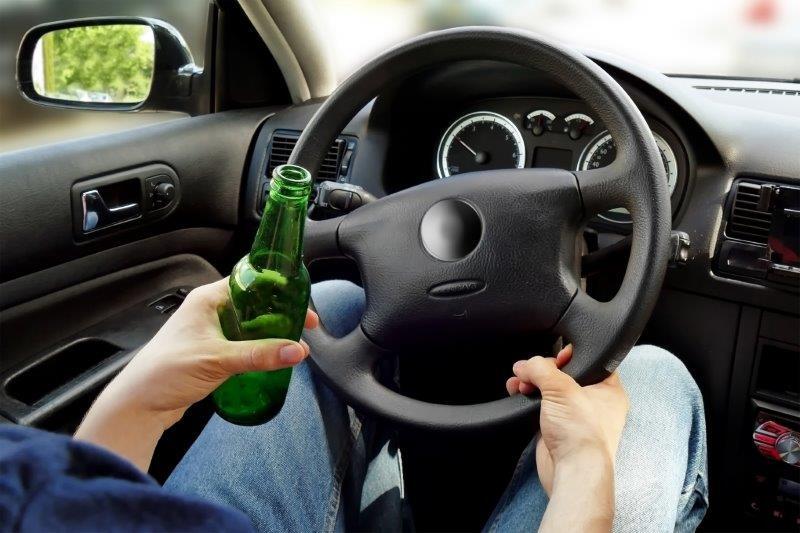
- For this activity, students have already learned the functional information about the dangers of riding in or driving a motor vehicle while under the influence of alcohol and other drugs.
- Students are asked to write down examples of negative media influences (e.g., scenes from movies, song lyrics, social media posts) and negative peer pressure to ride in or drive a motor vehicle while under the influence of alcohol and other drugs.
- Students are asked to share examples with the entire class.
- Students are asked to find a partner and identify how they could counteract two of the identified negative influences to ride in or drive a motor vehicle while under the influence of alcohol and other drugs.
- The teacher calls on pairs to share strategies.
To see in PDF format, please click here.