
Focuses on Clear Health Goals and Related Behavior Outcomes
Description: This characteristic is foundational for an effective health education curriculum. The goal of health education is to help students adopt or maintain healthy behaviors.1 Given this charge, health goals, behaviors, or outcomes must be clearly defined, focused, and meaningful to students. Students need to know the healthy behaviors that are expected of them. The Centers for Disease Control and Prevention (CDC) have identified a list of healthy behavior outcomes (HBOs) for students in grades K–12 that align with nine health topic areas and help to promote health and prevent disease (HECAT Appendix 3).
Functional health knowledge and skills taught in health education should align and focus on addressing HBOs. Prioritizing and selecting HBOs should reflect developmental appropriateness and cultural inclusivity, as well as health-behavior data and trends from a variety of sources. For example, using the Youth Risk Behavior Survey, state and local education and health data, and input from key partners such as students, parents, and health professionals can inform HBO selection.
Across the health topic areas, each HBO is important, but there isn’t enough instructional time allotted to health education in most school districts to address all of them. Therefore, health curriculum coordinators and health teachers need to be selective when determining which HBOs to address in the district’s health education scope and sequence, unit plans, and curriculum lessons. HBOs are the starting place for every health education unit and lesson plan, and they guide the development or selection of student learning objectives, functional knowledge and skills, and assessment.

Example 1
For this teaching example, the health unit is Personal Health and Wellness, and the selected HBOs for the lesson are PHW-1: Practice appropriate hygiene habits and PHW-5: Practice behaviors that prevent infectious disease (HECAT Appendix 3). The specific behavior associated with these HBOs is handwashing.
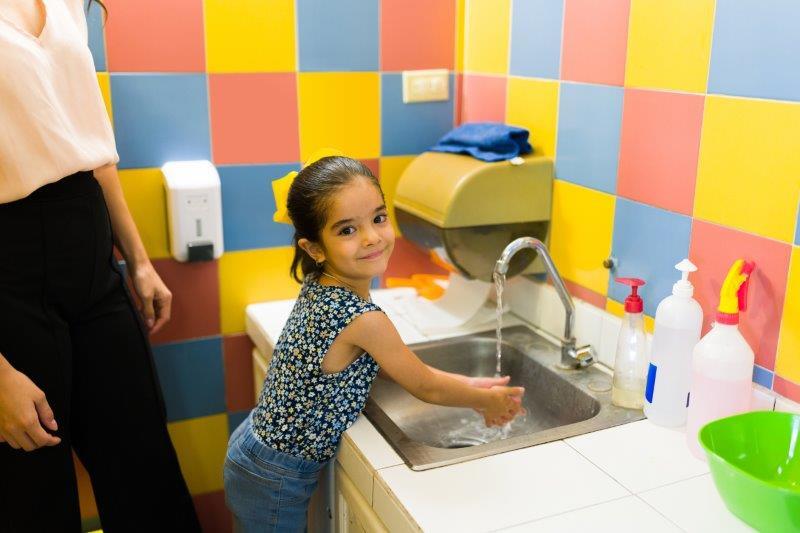
1. The teacher shows students a picture of children their age washing their hands and tells students the focus for the day is on handwashing.
2. The teacher and the students then discuss the importance of handwashing and when students should wash their hands.
3. The teacher then demonstrates and has the students practice the steps of washing their hands.
4. The teacher concludes the lesson by asking the students to commit to washing their hands throughout the day.
5. To support this lesson, signs with the steps for handwashing are posted near the school’s handwashing stations, and students are given a sign to take home and share with their families.
To view in PDF format, please click here.