

Provides Age-Appropriate and Developmentally Appropriate Information, Learning Strategies, Teaching Methods, and Materials
Description: An effective curriculum addresses students’ needs, interests, concerns, age, developmental and emotional maturity levels, experiences, and current knowledge and skill levels. Developmentally appropriate practice does not mean making things easier for students. Rather, it means ensuring that healthy behavior outcomes (HBOs), functional health knowledge, skills, and experiences are suited to students’ learning and development and are challenging enough to promote progress and interest. In addition, concepts and skills should be taught in a logical sequence through reinforcement, but not repetition, at each grade level.1

Example 1
For this teaching example, the lesson being taught is the importance of eating breakfast every day.
- The teacher reviews the developmentally appropriate food and nutrition knowledge expectations listed in the Health Education Curriculum Analysis Tool (HECAT) for students in grades Pre-K–2 that support eating breakfast every day. The teacher focuses on the knowledge expectation of describing the benefits of eating breakfast every day when designing this lesson.

- The teacher starts the lesson by asking students to raise their hands if they ate breakfast this morning. The teacher asks students to share some of the foods they ate.
- The teacher then shares some of the benefits of eating breakfast (e.g., energy, focus, or not being hungry during school). The teacher asks students to share how they feel when they eat breakfast and when they don’t eat breakfast. The students compare their answers.
- The teacher ends the lesson by asking students to draw a picture of themselves when they eat breakfast and when they don’t eat breakfast.
Example 2
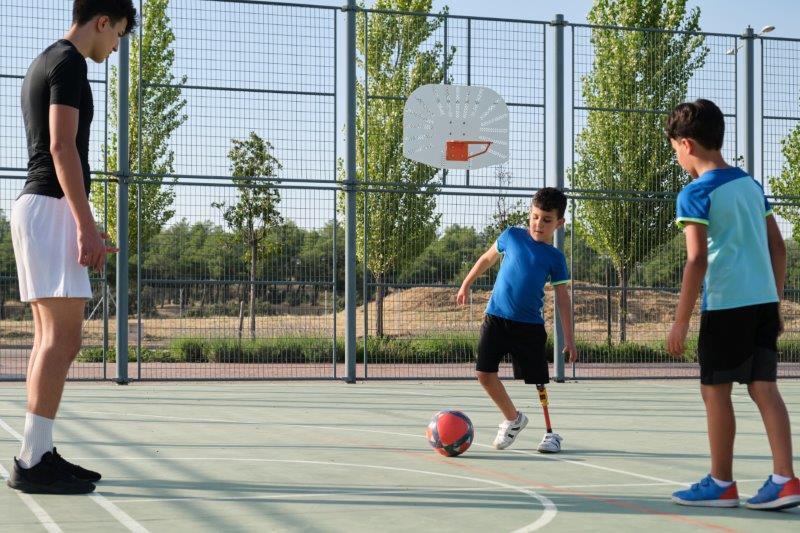
For this teaching example, the lesson being taught is setting goals for physical activity, and the HBO for the lesson is PA-1: Engage in moderate to vigorous physical activity for at least 60 minutes every day (HECAT Appendix 3).
- Prior to this lesson, students have learned the developmentally and age-appropriate physical activity knowledge expectations listed in the HECAT:
- Identify the recommended amount of physical activity for children.
- Describe how being physically active can help a person feel better and the importance of selecting appropriate, enjoyable activities.
- Describe the benefits of being physically active, including the physical, emotional, academic, and mental health benefits.
- When designing this lesson, the teacher reviews the developmentally and age-appropriate physical activity goal-setting skill expectations listed in the HECAT for students in grades Pre-K–2. The goal-setting skill expectations include the following:
- Identify a realistic personal short-term goal to be physically active.
- Take steps to achieve the personal goal to be physically active.
- Identify people who can help achieve a personal health goal to be physically active.
- The teacher discusses with the students the steps for setting a physical activity goal by asking the following questions:
- What is my goal? (e.g., 60 minutes of enjoyable physical activity every day)
- Who can help? (e.g., parents, family members, teachers, or friends)
- What are my steps? (e.g., a chart to keep track of daily physical activity)
- The teacher distributes a chart for the students to keep track of their goal of 60 minutes of daily physical activity.
- Every day for the next 2 weeks, the teacher asks students to share how they did on meeting their physical activity goal.
- The teacher also distributes an information sheet for parents and guardians with the following talking points:
- The benefits of physical activity for children
- The recommended amount of physical activity a day for children
- Examples of activities for children to increase vigorous physical activity2
- Tips for supporting developmentally and age-appropriate physical activities for their children as well as helping the students track their progress toward meeting their physical activity goals2
To see in PDF format, please click here.