
Uses Strategies Designed to Engage Students
Description: An effective curriculum includes instructional strategies and learning experiences that are student centered, interactive, and experiential. Such strategies may include small-group discussions, cooperative learning, problem-solving, role-playing, simulations, and peer-led activities. Teachers can examine existing lessons to determine strategies that are teacher driven (or led), and teachers can identify ways to adapt strategies to be more student centered. Ensuring that new or existing lessons include frequent opportunities for students to think critically and be actively engaged may help to improve interest, passion, and motivation for learning. Lessons should encourage maximum participation, for the maximum number of students, for the maximum amount of time.1
Example 1
For this example, the unit that is being taught is Promoting Safety, and the Healthy Behavior Outcome (HBO) for the lesson is S-5: Avoid safety hazards in the home and the community (HECAT Appendix 3). The focus of this lesson is on poison safety.
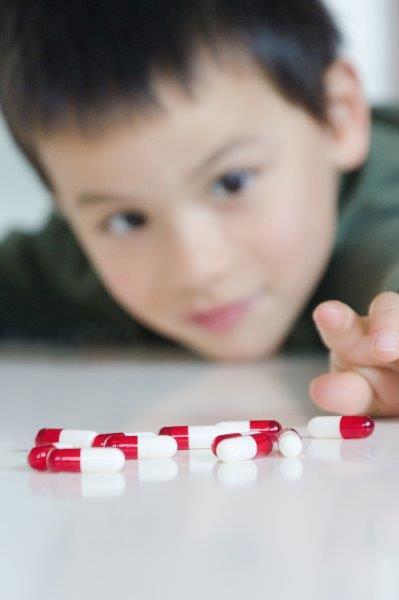
- The teacher begins the lesson by informing the students they are going to learn how to stay away from poisons. The teacher shows the students pictures of a variety of items used and stored in the bathroom, kitchen, or garage (i.e., hygiene products, cleaning supplies, gasoline). The teacher asks the students to describe what they see in the pictures.
- The teacher asks the students to explain the word “poison,” summarizes their responses aloud, and then shares the following common definition of the word “poison”:
- Poisons are things that can hurt your body, make you very sick, and even kill you.
- The teacher explains that a basic rule about poisons is to never touch, smell, or taste anything that is poisonous, even when students are unsure if something is a poison.
- The teacher shows students pictures of various household products (e.g., hand soap, shampoo, toothpaste, toilet bowl cleaner, dish soap, window cleaner, liquid car wax, paint, gasolines) that are safe and not safe for children to touch, smell, or taste.
- The teacher asks students to identify if the pictured product is safe to touch, smell, or taste by using hand signals (thumbs up = safe; thumbs down = not safe; and thumbs sideways =not sure). Throughout this activity, the teacher emphasizes the importance of trusted adults as sources of help in staying safe from poisons.
- The teacher uses a variety of what-if scenarios related to poison safety rules and asks the students to explain what they should do in response to each scenario:
- What if you need to brush your teeth, and you can’t find your toothpaste but find another tube in the bathroom cabinet that might be toothpaste?
- What if you are in the garage, and you find a bottle with a creamy liquid in it that looks like it might be good to drink?
- What if you are at your aunt’s house and want to wash your hands, but you are not sure that the bottle by the sink is soap?
- What if you find something that looks like candy and want to taste it?
Example 2
For this example, the unit that is being taught is Promoting Mental and Emotional Health, and the HBO for the lesson is MEH-2: Engaging in activities that are mentally and emotionally healthy (HECAT Appendix 3).

- The teacher begins the lesson by asking students to think of things that they can do to have healthy bodies, minds, and feelings.
- The teacher shows pictures of children participating in various activities to improve healthy bodies, minds, and feelings (e.g., sleep, physical activity, healthy eating, healthy relationships with friends). The teacher describes each picture and asks the students to identify how each activity can help them to have healthy bodies, minds, and feelings.
- The teacher takes the students to a space large enough to have the children engage in a series of activities related to things to stay healthy including the following:
- Running or walking around the playground
- Walking with a classmate and talking about their favorite activity
- Practicing deep breathing
- Playing a cooperative game
- Drinking water
- Having a healthy snack
- Having a healthy snack
- The teacher discusses with students how each activity helps people have healthy bodies, minds, and feelings.
- The teacher ends the lesson by having the students draw a picture of two things they can do to have healthy bodies, minds, and feelings.
To see in PDF format, please click here.