
Addresses Social Pressures and Influences
Description: An effective curriculum provides opportunities for students to analyze personal and social pressures to engage in risky behaviors.1 These pressures include media influences, peer pressure, and social and structural barriers. Pressure from media sources may include television commercials encouraging alcohol and drug use, social media content exposing and perpetuating messages about “idealized” body types, or bullying and harassment. Peer pressure to engage in risky health behaviors may include friends or peers pressuring one another to vape or use marijuana, have unprotected sex, or bully others. Social and structural barriers that increase the likelihood of adolescents engaging in or experiencing risky behaviors include poverty, racism, financial and gender inequality, lack of access to health services, stigma related to HIV and other sexually transmitted infections, and homophobic and transphobic viewpoints. This characteristic is aligned with National Health Education Standard 2: Students will analyze the influence of family, peers, culture, media, technology, and other factors on health behaviors.2
Example 1
For this example, the lesson that is being taught is influences on bullying, and the Healthy Behavior Outcome (HBO) for this lesson is V-3: Avoid bullying or being a bystander to bullying, or being a victim of bullying (HECAT Appendix 3).

- For this activity, the students have already learned functional health information to identify bullying and why it is wrong to bully others. The students have also learned to identify trusted adults at home, at school, or in their community whom they can ask for help when bullied. They have already learned how to ask trusted adults for help when bullied.
- The focus for this activity is on identifying school influences including classmates, teachers, and other trusted adults who can help prevent or deal with bullying.
- The teacher starts the lesson by showing the students the video The Playground Is for Everyone.3
- The teacher asks the students the following questions:
- What happened when Ty and JoJo wanted to play on the climbing bars? (Lance and Alexa told them they had called dibs on the climbing bars and that no one else could play on the climbing bars.)
- Were Lance and Alexa bullying Ty and JoJo? (Yes)
- How do we know that Lance and Alexa were bullying Ty and JoJo? (Lance and Alexa were being mean and not letting them play on the climbing bars.)
- How did Ty and JoJo feel when they were bullied by Lance and Alexa? (Ty and JoJo felt sad and defeated.)
- The teacher explains that the students can be positive and helpful influences on the feelings and behaviors of classmates when the students are kind and allow classmates to play with them. The teacher also explains that it is a negative and unhelpful influence on classmates when students bully their peers by being mean and not allowing classmates to play with them.

- The teacher asks the students the following questions:
- Was the bullying by Lance and Alexa a positive or negative influence on Ty and JoJo’s feelings? (It was a negative influence.)
- What happened when Zack saw Ty and JoJo walk away from the climbing bars? (Zack told Ty and JoJo that they could play on the climbing bars and told them to follow him to the climbing bars.)
- Was Zack a positive or a negative influence on preventing bullying by Lance and Alexa? Why? (Zack told Lance and Alexa that the climbing bars belonged to everyone, that Lance and Alexa were being mean by not letting Ty and JoJo play, and that their behavior was bullying.)
- Was Mr. Ortiz a positive or negative influence on preventing bullying? Why? (He came over to the climbing bars and said that Zack did a good job recognizing the bullying. He said that it is best to share and include others.)
- At the end of the video, Lance moved over, and all the children began to play on the climbing bars. Was this a positive or negative influence on the behavior and feelings of the children? (It was positive because they were playing together and having fun.)
- 7. The teacher ends the lesson by asking the students to identify ways classmates and other people at school can be a positive influence on classmates while at school (e.g., not bullying others, sharing equipment, and letting everyone play).
Example 2
For this example, the lesson that is being taught is eating healthy, and the HBOs for the lesson are FN-8: Limit foods high in added sugars, saturated fats, trans fats, and sodium and FN-9: Choose to eat or drink nutrient- dense foods and beverages when dining (HECAT Appendix 3).
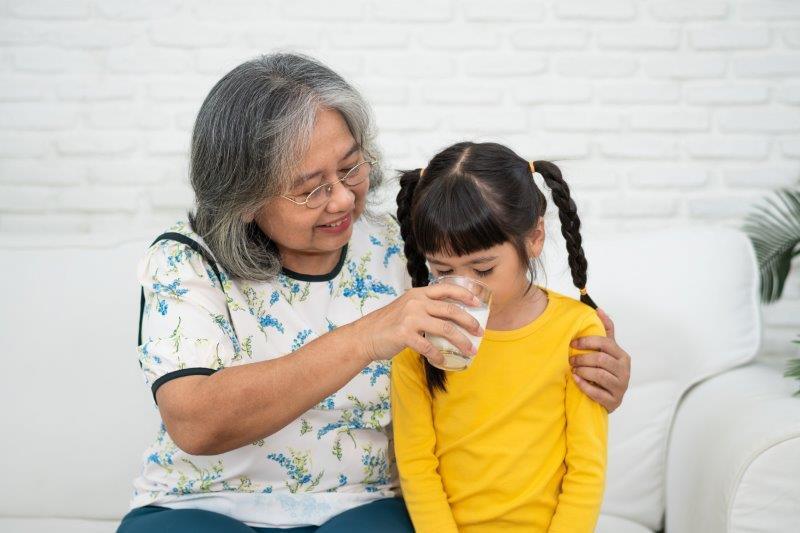
- For this lesson, the students have already learned functional health information regarding the importance of choosing nutrient-dense foods and beverages that help people feel good, the importance of eating different foods from all the food groups, the types of foods and beverages that should be limited, and the benefits of eating healthily.
- The focus of this lesson is identifying influences on eating healthily.
- The teacher explains that many things influence or affect our food choices and things we eat and drink. These influences can be our families, what foods are offered at school, as well as videos, messages, and images we see on television, computers, tablets, and phones.
- The teacher then asks the students:
- Are there ways families help students eat healthy foods and beverages?
- What are ways that the school helps students eat healthy foods and beverages?
- The teacher then explains that the images we see on television, computers, tablets, and phones can also influence our food choices. The teacher then asks the students:
- What is an advertisement? (Note: An advertisement is a video, picture, or song that encourages people to buy something or to ask family members to buy something.)
- What are things that advertisements on television or online encourage children to do, buy, or ask family members to do or buy for them? (Note: Children’s advertising often focuses on toys, other programming for children, unhealthy snacks, and breakfast cereals.)
- Have you ever seen an advertisement for snacks or breakfast cereals? (Note: Advertisements for breakfast cereals are those that are typically high in sugar.) Are they usually healthy or unhealthy foods?
- The teacher concludes the lesson by encouraging students to eat healthy foods and beverages.
To see in PDF format, please click here.