
Provides Opportunities to Reinforce Skills and Positive Health Behaviors
Description: An effective curriculum builds on previously learned concepts and skills and provides opportunities to reinforce health-promoting skills across health topics and grade levels. This can be accomplished in multiple ways:
1. By incorporating more than one skill practice application at multiple grade levels (e.g., teaching goal setting at the 2nd, 4th, 6th, 8th, and 10th grade)
2. By integrating skill application opportunities in multiple health content areas (e.g., practicing decision-making skills in an alcohol- and other drug-use prevention unit and in a violence prevention unit)
3. By reinforcing health skills in other academic areas (e.g., teaching a health lesson on how to access valid and reliable health information, then having the librarian reinforce the lesson)
An effective health education curriculum that addresses age- and developmental appropriate determinants of behavior across grade levels, and reinforces and builds on learning, is more likely to achieve longer lasting results.1

Example 1
For this example, the focus is reinforcing students’ development of skills to ask for help from a trusted adult in two different lessons at the same grade level. The two lessons that are being taught include asking for help with troublesome feelings and asking for help to prevent or stop bullying. The Healthy Behavior Outcomes (HBOs) for these lessons are MEH-6: Get help for troublesome thoughts, feelings, or actions for oneself or others and V-7: Get help to prevent or stop violence including harassment, abuse, bullying, hazing, fighting, and hate crimes (HECAT Appendix 3).

1. The focus for this example is to help students ask for help from a trusted adult. At the beginning of the school year, the students learn how to request help from a trusted adult for troublesome feelings as part of a lesson focused on emotional and mental health.
2. Students are asked to identify trusted adults at home, at school, and in the community who could help them with troublesome feelings.
3. The students then develop skills to ask for help with troublesome feelings by practicing a three-step process (identify the feeling, tell a trusted adult about the feeling, and ask for help with the feeling).
4. Later in the school year, the students learn how to identify bullying, how to avoid bullying, how to prevent being a victim of bullying, and how to ask for help to prevent or stop bullying.
5. The students’ skills to ask for help from a trusted adult are reinforced when the students are asked to identify trusted adults at home, at school, and in the community who can help them prevent or stop bullying.
6. The students then practice skills to ask for help by completing a similar three-step process (identify bullying, tell a trusted adult about the bullying, and ask for help to prevent or stop the bullying).
Example 2
For this example, the focus is reinforcing students’ development of advocacy skills for playground safety through two lessons at the same grade level. The lessons that are being taught include supporting playground safety and encouraging playground safety. The HBO for these lessons is S-8: Support others to avoid risky behaviors and be safe (HECAT Appendix 3).
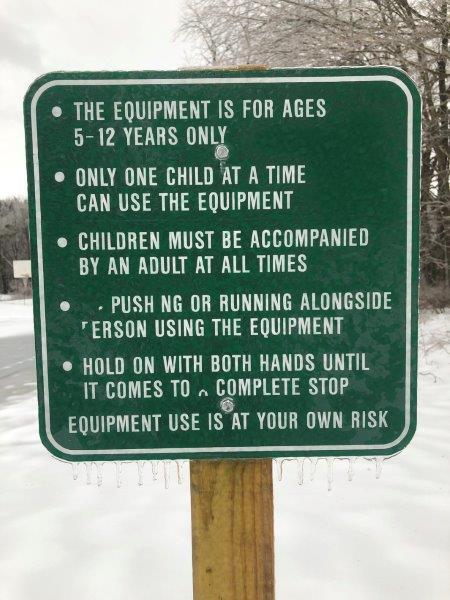
1. The focus for this example is on developing and reinforcing advocacy skills to support playground safety through two lessons for kindergarten students. The safety-related advocacy skill expectations for Pre-K–2 students include making requests to others to promote safety and to avoid or reduce injuries and demonstrating how to encourage peers to be safe and to avoid or reduce injuries.
2. The teacher and students create a list of playground safety rules. The teacher and students also discuss why it is important to follow playground safety rules.
3. The teacher introduces the skill of advocacy by telling the students that they can promote playground safety by encouraging their classmates to follow playground safety rules.
4. The students color and post worksheets labeled “Let’s Play Safe,” which depict children safely playing on the playground.
5. After multiple injuries occur on the playground, the principal, teachers, and playground supervisors agree that it is important to reinforce playground safety rules and further develop students’ advocacy skills related to playground safety. They create a second lesson for kindergarten students to be led by the playground supervisors.
6. The playground supervisors and students review playground safety rules and discuss why it is important for students to follow playground safety rules and why it is important to encourage others to follow playground safety rules.
7. The playground supervisor also explains to the children that they can ask the playground supervisors for help in promoting playground safety rules if the rules are not being followed.
8. The students then practice asking the playground supervisor to promote playground safety rules.
To view in PDF format, please click here.